
AI Art not AI Slop
Written by Kat
AI-generated design is a controversial topic, and people seem to be digging in on either side of the fence.
Those who criticise "AI slop" argue that humans should be the ones creating designs, using digital tools if they like, but nothing generated by AI. On the other hand, many people already use AI every day to produce posters, logos and other designs.
Non-professionals have always made their own artwork, and it usually hasn't been very good. For years, posters were knocked up in MS Word with obvious clip art. We shouldn't be too nostalgic: much amateur design was just as bad as poor-quality AI art. The difference now is that AI-generated designs are instantly recognisable.
What makes AI design look like AI?
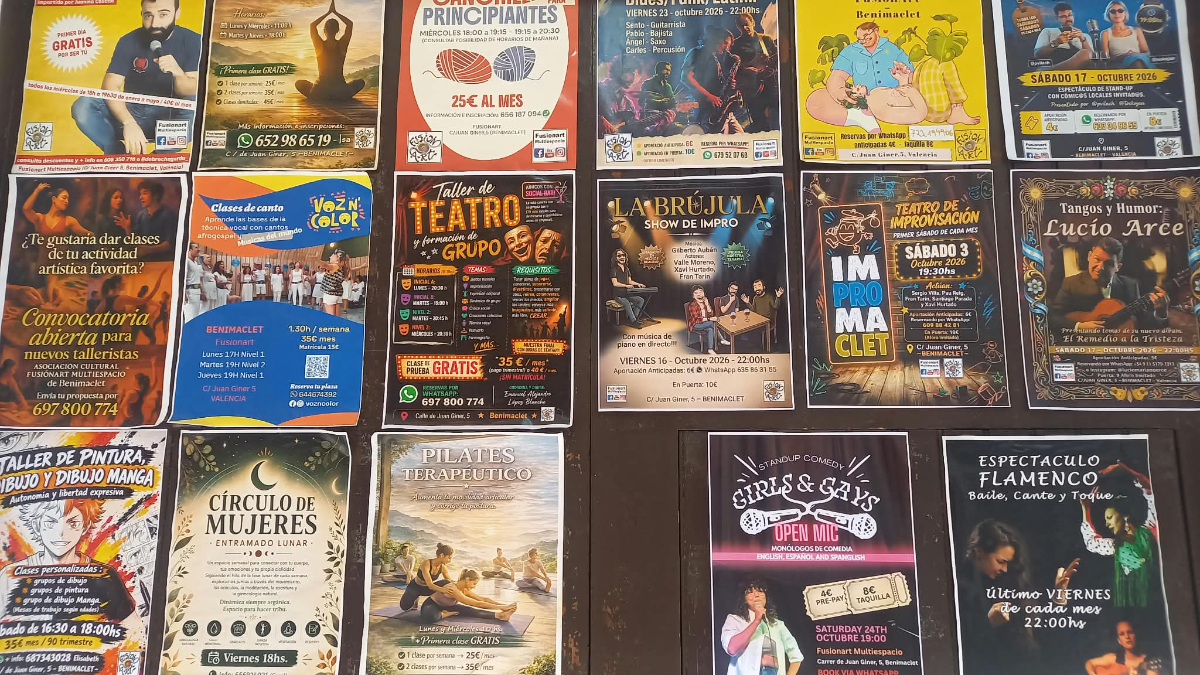
Posters in Valencia, many of which look like they were made with AI. Photo credit: Tania Pla Osca
Once you've spotted the tells, you see them everywhere:
- Same-y typography: chunky, rounded or overly decorative fonts, often several fighting for attention on one page.
- Too much going on: every inch filled with icons, sparkles, swirls and extra elements that add nothing.
- That glossy sheen: smooth gradients, soft glows and a plasticky, over-lit finish.
- Garbled details: misspelt words, nonsense text in the background, hands with too many fingers, objects that melt into each other.
- Generic faces and scenes: people who look like stock photos of no one in particular, in settings that could be anywhere.
- No clear message: the design looks busy and impressive at first glance, but it's hard to tell what it's actually saying.
None of these come from AI itself. They come from accepting the first thing it produces.
The question of consent
There's a bigger issue that can't be brushed aside. Many creators rightly criticise AI companies for training their models on artists' work without permission, credit or payment. The same goes for all the other content that has been swept into AI training without consent. Writers, illustrators and photographers have seen their work feed tools that now compete with them, and several are taking the companies to court.
We don't think there's an easy answer. Some tools now say they're trained only on licensed or public-domain material, and that's a step in the right direction. Pressure for proper opt-outs, credit and payment needs to continue. At the same time, AI tools are here, and people are going to use them. We think the responsible approach is to use them thoughtfully, support the creators whose skills still matter, and keep asking for a fairer deal for everyone whose work made these tools possible.
There is another way
We don't have to put up with slop. Rather than letting AI dictate design to us, we can stay in control. Sites like Impeccable offer tips and guidelines you can give to an AI agent to refine and improve its output. You can also learn the principles of good design yourself, and there are plenty of resources online. Best of all, you can hire a professional designer. They may or may not use AI, but they should be able to refine the output so it's original, striking and gets the message across clearly.
We recently used AI to recreate the artwork for many pages of our childhood beliefs website, I Used To Believe. With hundreds of new illustrations, this would have been a huge job without AI.
For most of the section pages, we used Midjourney, with Claude writing the prompts and driving it. To keep the two children recognisably the same across all 218 pictures, every prompt began with the same fixed 100-word description of them, word for word, and was tied to a reference drawing, so only the scene changed from one image to the next.
Rather than inventing scenes, we built each one from a real belief sent in by visitors, and avoided anything that might have writing (signs, labels, books) because AI lettering is often gibberish. Mat reviewed every picture in batches of ten and sent back anything that wasn't right. A dozen were redrawn, and one took four attempts before Midjourney actually drew what we were asking for. It always drew the boy on the left, so we flipped half of the images after they were generated to make them feel more balanced.
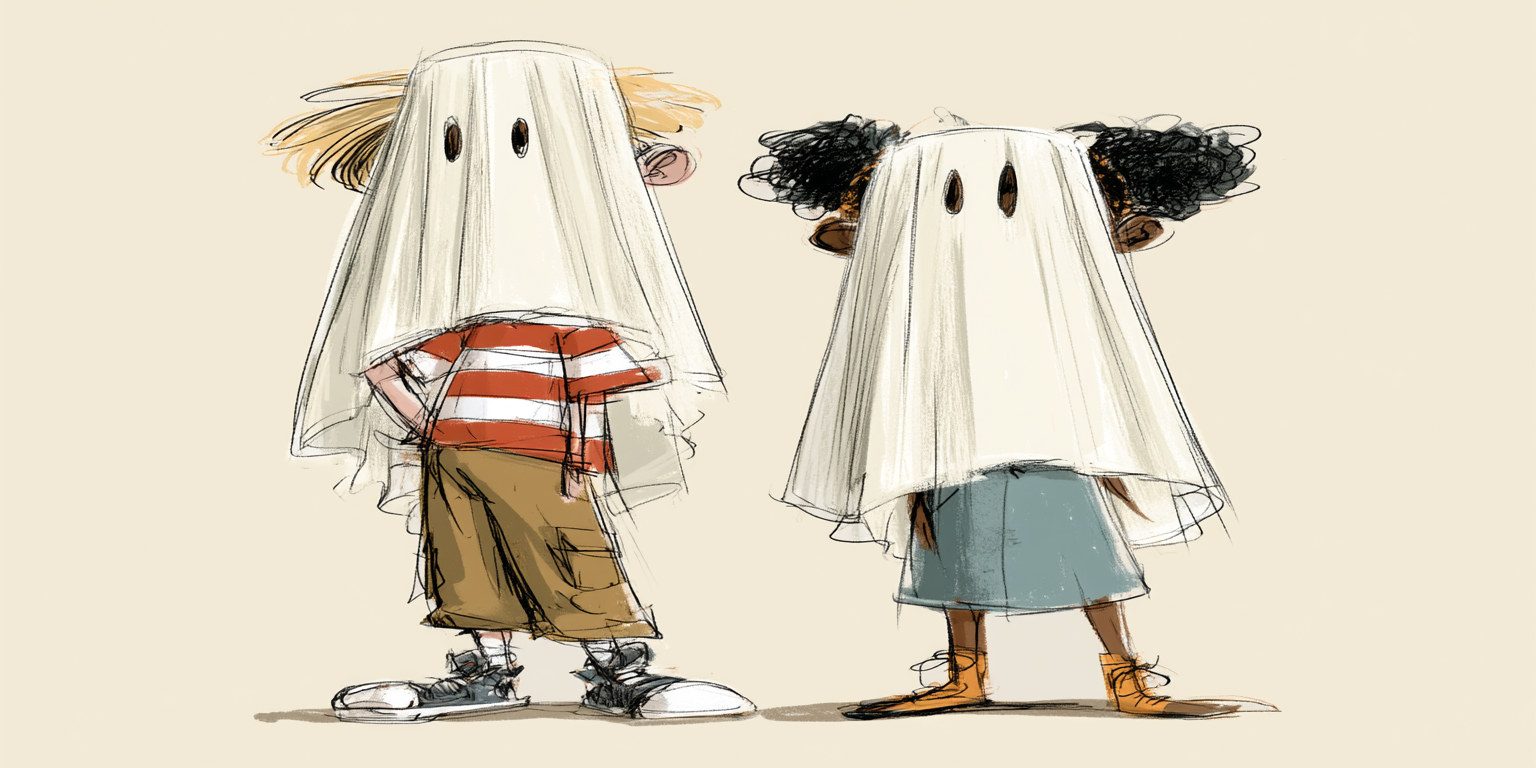
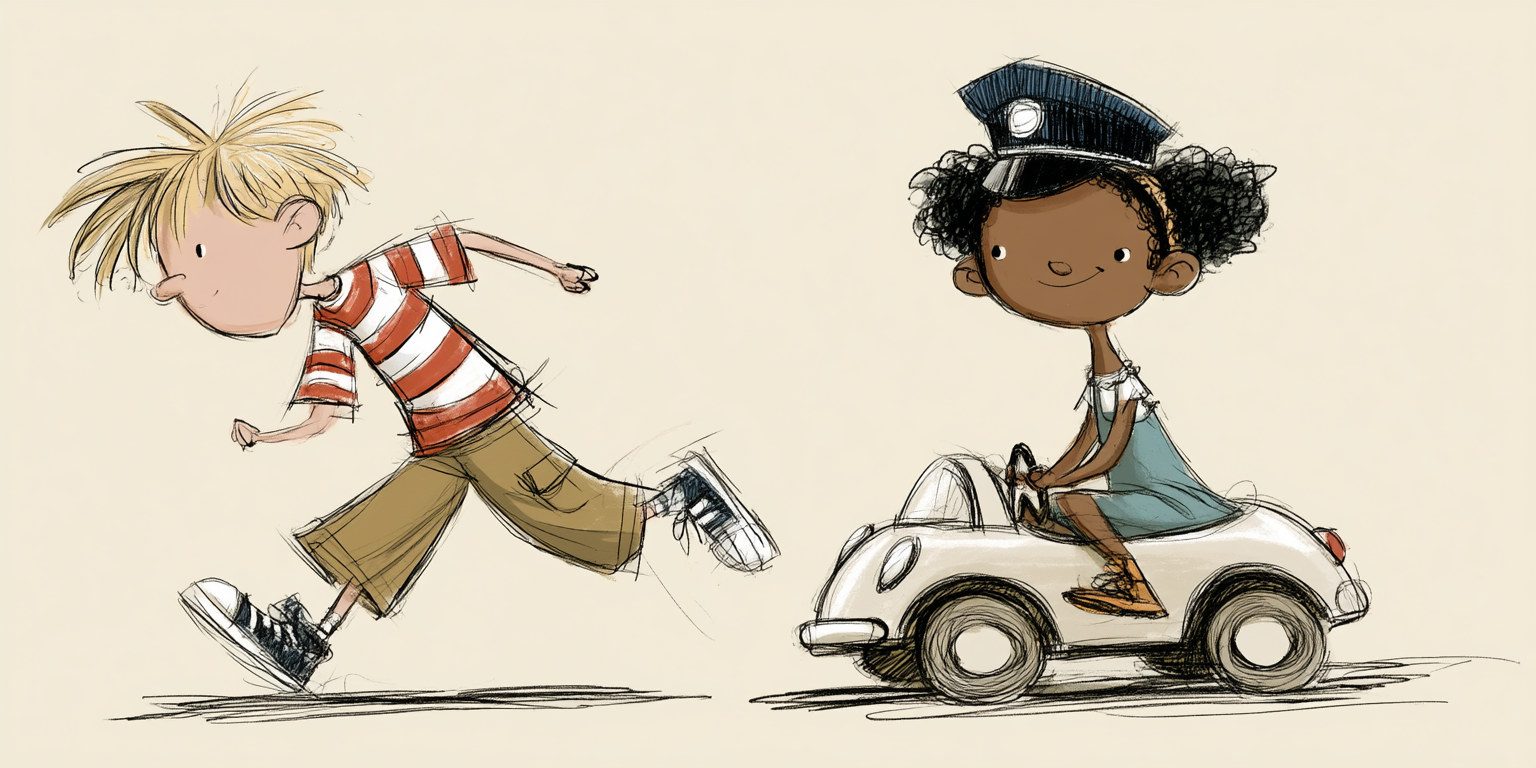
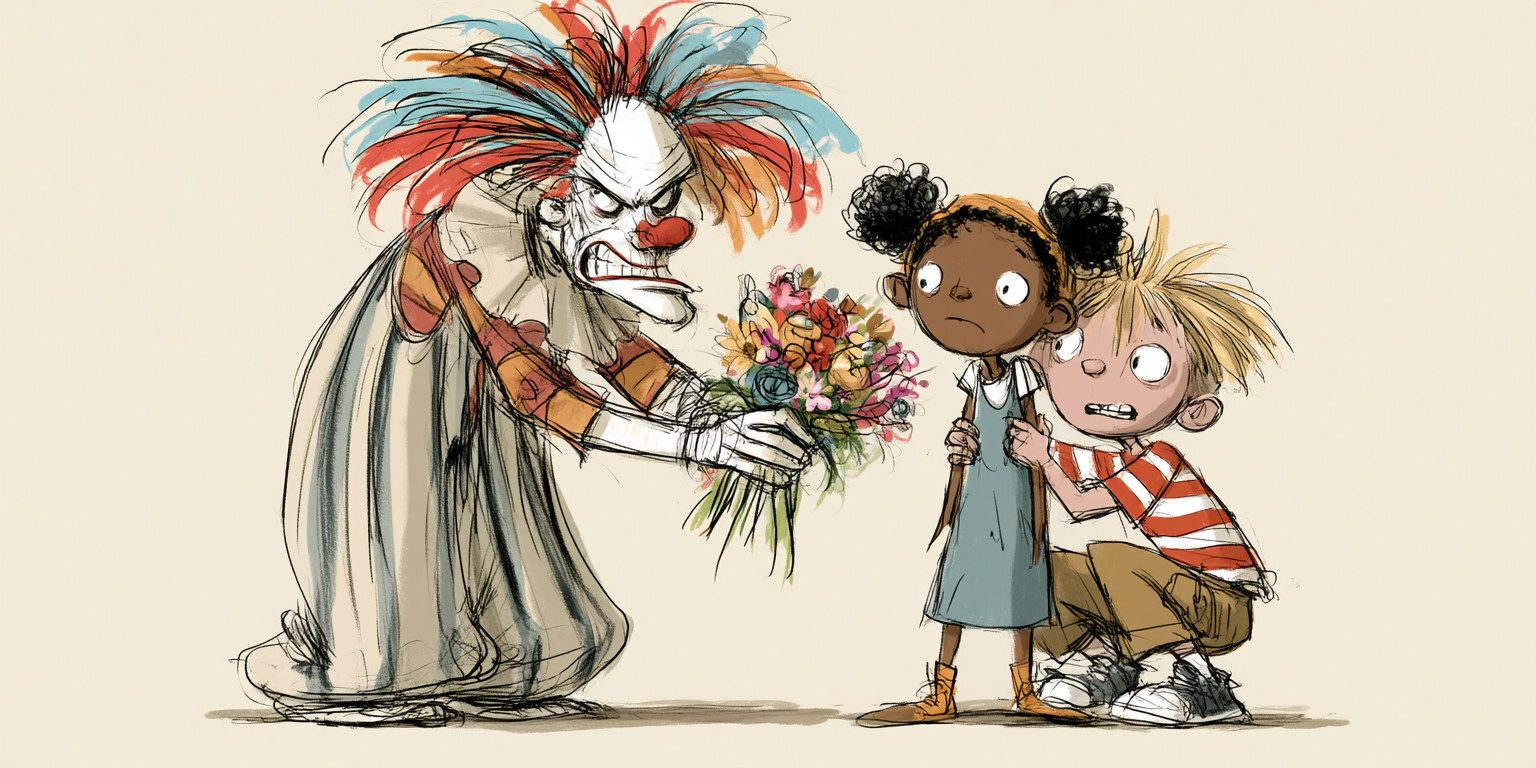
We're delighted with the result and feel it reflects the ethos and style of the site much better than the previous design. We're aware of the irony, though: Midjourney is one of the AI companies facing legal action from artists. We chose it for the quality of its output, but we'd much prefer an equivalent model with better ethical standards.
We know this topic might stir up strong opinions, but we genuinely want to know what you think, so let us know. And while you're at it: what's the worst AI-generated design you've seen?
Tagged under: Hot topics Design AI